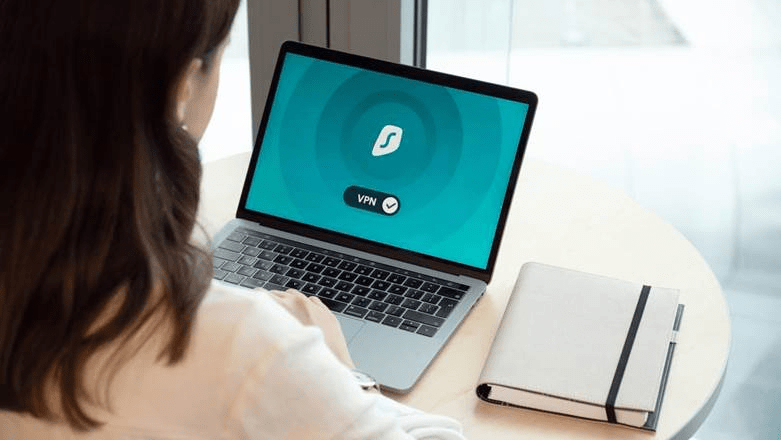
Relocating an office is a major step for any organization, whether it’s driven by growth, downsizing, or a strategic shift. While the logistics of packing furniture and coordinating timelines often take center stage, protecting business data during the move is just as critical. From client records and financial documents to proprietary digital files, a single oversight can lead to costly breaches or data loss. That’s why implementing effective security and storage tactics is essential for ensuring that sensitive information remains protected every step of the way.
Security And Storage Tactics: Understanding the Risks of Office Relocations
Office moves introduce a unique set of vulnerabilities that can put valuable data at risk if not managed carefully. Documents may be misplaced, devices can be damaged, and unauthorized individuals might gain access to confidential information during transit. Unlike routine office operations, a move disrupts established security protocols, making it easier for data to fall through the cracks. By recognizing these risks early and applying reliable security and storage tactics, organizations can minimize exposure and maintain control over sensitive materials throughout the transition.
Conducting a Pre-Move Data Audit
Before packing begins, it’s essential to know exactly what data your business holds and where it resides. A thorough audit helps identify critical files, sensitive records, and outdated materials that no longer need to be retained. This process not only streamlines the move but also reduces unnecessary risk by eliminating redundant data. Businesses that take the time to declutter their information systems often find the transition more efficient and secure.
Creating a Data Protection Strategy
A well-defined data protection strategy acts as a roadmap throughout the relocation process. This plan should outline how physical documents will be handled, how digital data will be backed up, and who is responsible for each task. Assigning clear roles ensures accountability and reduces confusion during the move. When everyone understands their responsibilities, the chances of accidental data exposure decrease significantly.
Backing Up Digital Assets
Digital data is the backbone of most modern businesses, making backups non-negotiable. Before the move, all critical files should be securely backed up using reliable solutions such as cloud storage or encrypted external drives. This precaution ensures that even if hardware is lost or damaged, the data remains intact. Testing backups before the move adds an extra layer of confidence, confirming that files can be restored quickly if needed.
Securing Physical Documents During Transit
Physical paperwork remains a vital component of many operations, particularly for legal, financial, and administrative purposes. During a move, keeping important paperwork safe becomes a top priority. Sensitive documents should be stored in locked, clearly labeled containers and transported separately from general office supplies. Limiting access to these materials and assigning trusted personnel to oversee their handling helps safeguard sensitive documents and information throughout the relocation.
Protecting Devices and Hardware
Computers, servers, and storage devices require special attention during an office move. These items often contain vast amounts of sensitive data, making them attractive targets for theft or tampering. Proper packing materials, such as anti-static wraps and cushioned containers, can prevent physical damage. Additionally, devices should be encrypted and password-protected to ensure that data remains secure even if the hardware falls into the wrong hands.
Managing Employee Access and Responsibility
Employees play a crucial role in maintaining data security during an office move. Clear communication about security protocols is essential to prevent accidental breaches. Staff members should understand how to handle sensitive information, where to store documents, and who to contact with concerns. Limiting access to critical data during the move further reduces risk, ensuring that only authorized individuals can interact with confidential materials.
Partnering With Trusted Moving Professionals
Choosing the right moving partner can make a significant difference in data security. Professional movers experienced in handling office relocations are more likely to follow proper procedures for transporting sensitive items. Businesses should look for providers that offer secure handling options, background-checked staff, and clear accountability measures. Establishing expectations up front ensures that both parties prioritize the safety of valuable data.
Businesses must also verify that potential movers hold the necessary licenses and insurance for commercial operations, as these provide a foundational layer of protection against unexpected events or liabilities during the transfer of assets. A clear understanding of the mover’s security protocols for items like servers, file cabinets and sensitive documents should be a primary discussion point before signing any contracts. For larger organizations or those with highly regulated data, assessing a provider’s specific experience with complex corporate relocation services is essential to ensure every detail is covered. This includes reviewing their methodology for inventory tracking, handling of data storage devices and employee training on confidentiality to safeguard against any potential breaches. Additionally, understanding how they manage transit routes and secure storage facilities can further mitigate risks to sensitive information.
Maintaining Chain of Custody
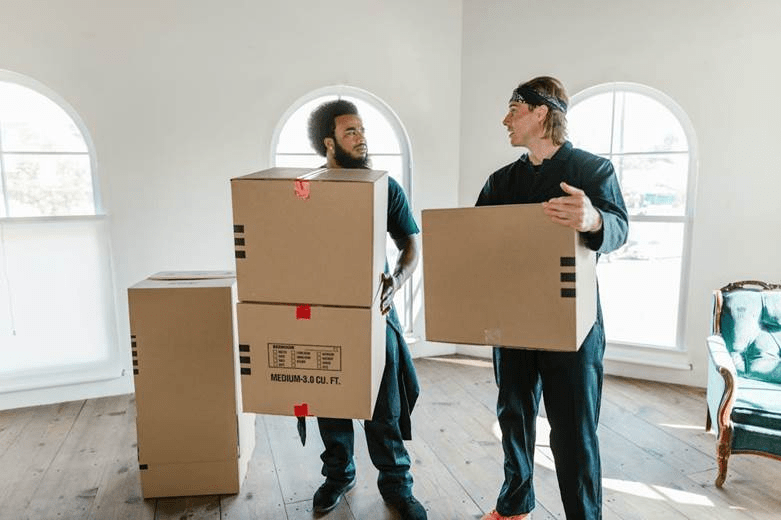
Tracking the movement of sensitive items is a key aspect of data protection. A documented chain of custody provides a clear record of who handled specific materials at each stage of the move. This level of transparency not only deters mishandling but also makes it easier to identify and address issues if something goes wrong. Consistent documentation builds trust and reinforces accountability throughout the process.
Implementing Cybersecurity Measures
Office moves often involve reconnecting networks and setting up new systems, which can create opportunities for cyber threats. Ensuring that firewalls, antivirus software, and encryption tools are up to date is essential before and after the move. Secure network configurations and strong password policies further protect digital assets. Businesses should also be cautious when connecting to new internet services, verifying that all systems are properly secured.
Disposing of Unnecessary Data Securely
Not all data needs to make the journey to the new office. Dispose of outdated or irrelevant information securely to reduce clutter and minimize risk. Shred physical documents and permanently delete digital files to ensure that no one can recover or misuse sensitive information. Proper disposal practices are an often-overlooked aspect of data security but play a vital role in protecting business interests.
Testing Systems After the Move
Once the relocation is complete, verifying that all systems are functioning correctly is a critical step. That includes checking data integrity, ensuring that backups are accessible, and confirming that security measures are in place. Addressing any issues immediately prevents long-term complications and ensures a smooth transition into the new workspace. A thorough post-move review helps businesses regain full operational confidence.
Building a Culture of Data Awareness
Beyond the move itself, fostering a culture of data awareness strengthens long-term security. Employees who understand the importance of protecting information are more likely to follow best practices in their daily work. Regular training sessions and clear policies reinforce this mindset, turning data protection into a shared responsibility rather than a one-time effort.
Navigating Relocation Process With Confidence
Keeping business data safe during an office move requires careful planning, clear communication, and a commitment to security at every stage. By identifying risks, organizing information, and implementing practical safeguards, businesses can navigate the relocation process with confidence. From securing physical documents to protecting digital assets, each step plays a vital role in maintaining the integrity of sensitive information. Ultimately, using well-planned security and storage tactics ensures that an office move becomes a smooth, secure transition that supports long-term growth and stability.
Photos Used:
https://www.pexels.com/photo/woman-using-macbook-pro-3949100
https://www.pexels.com/photo/laptop-in-close-up-shot-5483248
https://www.pexels.com/photo/men-carrying-cardboard-boxes-while-having-a-conversation-7464244

